



#1 Garden zoning
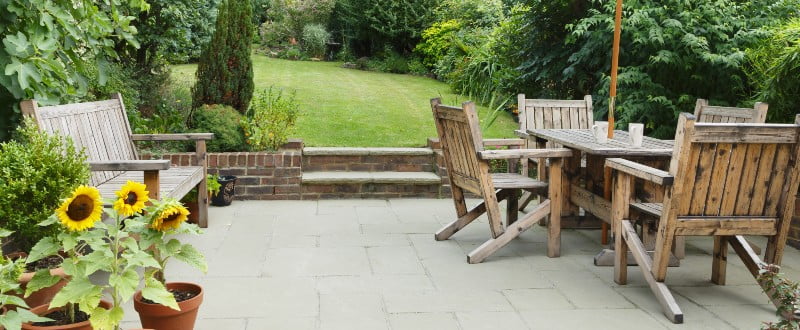
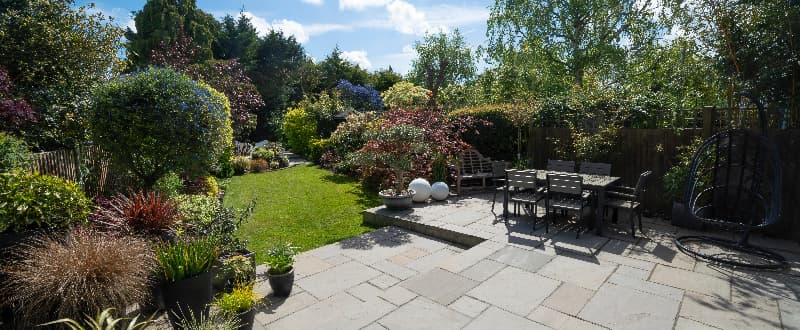
A helpful way to approach garden design is to think in terms of zones rather than treating it as one open space. Zoning in garden design is the process of dividing your garden into distinct areas, each with its own purpose. For example, one zone might be for seating and relaxing, another for dining and entertaining, and another for planting or storage.
In practice, this might mean a seating area close to the house for convenience, a dining space positioned to catch the best light, and a quieter corner set slightly apart for relaxing. Even in smaller gardens, these zones don’t need to be large or heavily defined — it’s more about creating subtle separation so each area feels intentional.
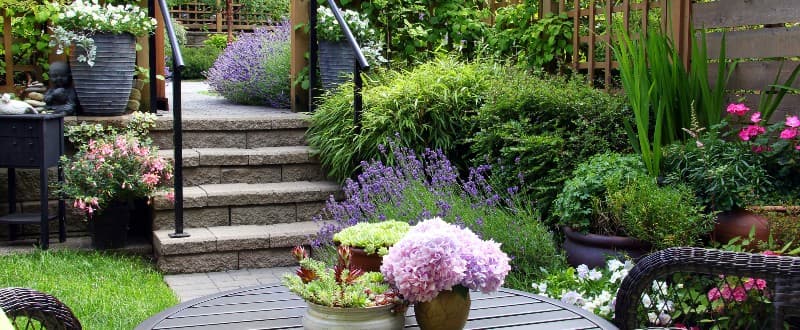
You can use fencing, planting, a garden trellis or changes in surface materials to help guide how each zone feels without closing the space off. When it’s done well, zoning naturally makes a garden feel more balanced, more usable and more considered, without needing to overcomplicate the design.
#2 Make use of the space available
Once you start thinking about your garden as a series of different zones, it’s worth looking at where everything actually sits, particularly if you have more space to work with.
A common approach is to focus most of the design around the perimeter, which makes sense. Borders naturally sit along fence lines, patios are often placed close to the house, and it feels like the obvious place for benches, planters and decorative features. However, when everything is pushed to the edges, the centre of the garden can sometimes feel underused, even when a lot of thought has gone into the design.
Bringing a few features further into the space can make a noticeable difference. Raised beds, paths, pergolas or seating areas placed within the garden help break things up and give the layout more depth and structure. It also encourages the garden to be used more fully, rather than everything revolving around just one area.
#3 Choose furniture and decor that takes up space
If you’ve got a lot of space to work with, it helps to choose features that actually match the scale of your garden. It’s not about going bigger for the sake of it, but being mindful that something that looks balanced a smaller garden can sometimes feel a bit lost when it’s surrounded by more open space.
A patio is a good example of this. What feels like a generous seating area in a compact garden can suddenly look much smaller when it’s set within a much larger space. The same goes for narrow borders, small decorative features, or compact seating areas, which can struggle to make an impact when they’re surrounded by a more open layout.
When you’re exploring design ideas for a larger garden, it often helps to be a little bolder than you might initially expect. Wider planting beds, more generous seating areas and statement trees can all help to ground the space, giving different sections a more established feel and adding character.
#4 Create a focal point
If you’re not sure where to start with a large garden, it can help to begin with a focal point and build the rest of the space around it. It gives everything a natural sense of direction and helps shape the overall feel of the garden from the start. That focal point could be almost anything you like, from a striking tree or a pergola to a water feature or a sculpture. The idea is to have something that stands out in a positive way and helps the rest of the design come together more naturally.
It also doesn’t need to sit in the centre of the garden. In fact, placing a focal point further back in the plot or within a separate seating area can work really well, encouraging movement through the space rather than stopping it at the patio.
#5 Use your garden fence panels as a feature
Naturally, fencing is something we always encourage people to think about early on when planning a garden renovation project. Like any large outdoor feature, your fence has an impact on the overall look and feel of your garden.
If you do want to use fencing as more of a focal feature, it’s really about how it works within the wider layout of the garden. It can act as a backdrop to seating areas, helping to frame the space and give it a more considered, finished feel.
From there, it’s often the details that start to bring it to life. Fence-mounted lighting, planters, and simple decorative pieces can all be used to break it up visually and stop it feeling purely functional. A trellis can also work well in this sort of design, whether that’s to introduce a bit of height, add texture, or support planting that naturally softens the structure over time.
The colour and finish of your fence make a difference too, whether that’s a stain that ties in with other elements in the garden, a more natural tone that sits back and lets everything else take focus, or a bolder pop of colour. It’s less about doing too much with it and more about using it intentionally as part of the overall design.
Those are some of our favourite larger garden design tips, along with a few practical ideas to keep in mind as you plan your next project. At Welch Fencing, we’ve been supporting garden transformations of all sizes for over 50 years, combining expert advice and premium products every time. From garden fence panels and concrete posts to trellises and more, we’ve got everything you need to make sure your garden feels balanced, practical and inviting.
Interested? Explore our website, try out our fence calculator or get in touch on 01772 336 476. You can also email us at [email protected] – we’re always ready to help!