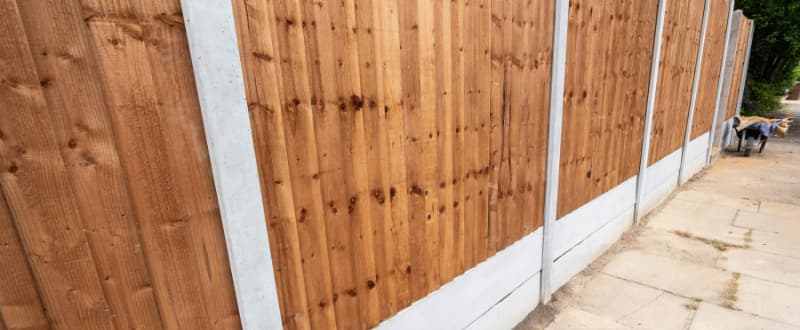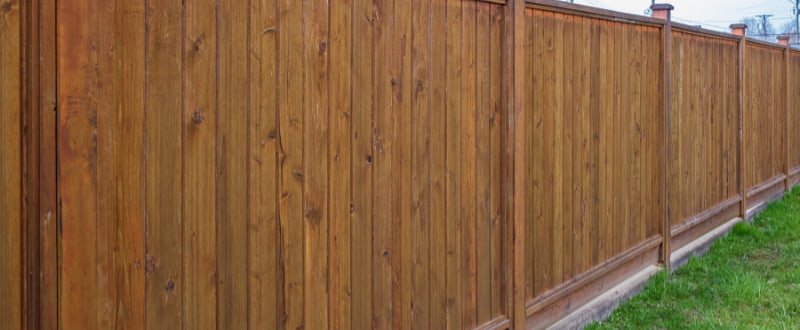





It can be an effective way to clean up your fence
When done carefully, power washing can strip away years of grime in a matter of minutes. It’s especially useful if your fence has been collecting green patches of algae or blackened from mildew – both of which can be tricky to remove by hand. And if your timber is still in good condition underneath, a quick wash can really lift the overall look of your garden.
It can also be helpful if you’re planning to repaint or stain your fence. Pressure washing removes old paint flakes and surface debris relatively easily, providing a clean, fresh surface that helps the new treatment stick better and last longer.
But it’s not without its risks, especially for wood
Despite the instant results, pressure washing isn’t always the most gentle approach. If you’re working with timber, especially older or softer wood, it’s easy to cause damage without meaning to. Too much pressure, or holding the nozzle too close, can lead to splintering, raised grain, or even chunks being gouged out of the surface.
Water can also be forced deep into the panels, which increases the risk of swelling or warping, especially if the wood doesn’t get a proper chance to dry. And if your fence has been treated or painted, pressure washing might strip that finish off entirely, which might be what you want, but it’s worth being sure before you start.
If you do go ahead, here’s how to do it safely
If you decide power washing is the right choice, a little care and preparation can go a long way. Always start with a lower pressure – somewhere in the 500–1200 PSI range is generally best for wood, and you’ll always want to use a wide spray nozzle to avoid concentrating too much force in one spot.
Keep the nozzle at least 18 to 24 inches away from the surface, and spray with the grain rather than against it. Test a small, hidden area first before doing the whole fence, and keep the spray moving as you go. Let the fence dry out completely – ideally for a couple of days – before applying any sealants, oils or stains.
It’s also a good idea to wear eye protection and be mindful of where the spray might bounce. Pressure washers can kick up a lot of debris, and it’s easy to damage plants or nearby features if you’re not careful.
Don’t fancy pressure washing? Here are some other options
If you’re not quite convinced power washing is the best route – or you’ve got an older fence you’d rather not risk – there are other ways to get your garden fence panels looking their best.
Scrubbing your fence by hand with warm, soapy water and a bristled brush is a bit more time-consuming, but much gentler and just as effective in most cases. You can also mix a solution of water and white vinegar to target mould and algae without using any harsh chemicals. Or, if you’re after something a little stronger, look for specialist fence cleaners from your local DIY shop – many of these are designed to lift dirt without damaging the wood underneath.
There’s also a method called soft washing, which uses a lower-pressure spray with biodegradable cleaners – a good choice for more delicate or decorative fences that need a little TLC.
A clean fence is just the start
Once your fence is clean – whether by pressure washer or a good old-fashioned scrub – it’s a great opportunity to give it a bit of extra care. Check for any damaged or rotting panels and carry out any necessary repairs, whether that means patching up holes, replacing entire sections, or applying a fresh coat of paint or stain.
Regular cleaning and maintenance will help your fence last longer, keep your garden looking smart, and save you money in the long run, whether you’ve installed it recently or it’s been part of your garden for years!
Sometimes, no amount of scrubbing will bring an old fence back – and that’s where we come in! At Welch Fencing, we stock a full range of concrete fence posts and garden fence panels – all made right here in the UK.
If you want a quick estimate without the guesswork, our fence calculator is a good place to start.
Whether you’re replacing a single panel or refreshing your whole boundary, we’ve got the styles and sizes to suit every garden.
If you’ve got any questions about our products – or just want a bit of advice before you get started – give us a call on 01772 336 476 or email us at [email protected]. We’re always happy to help!