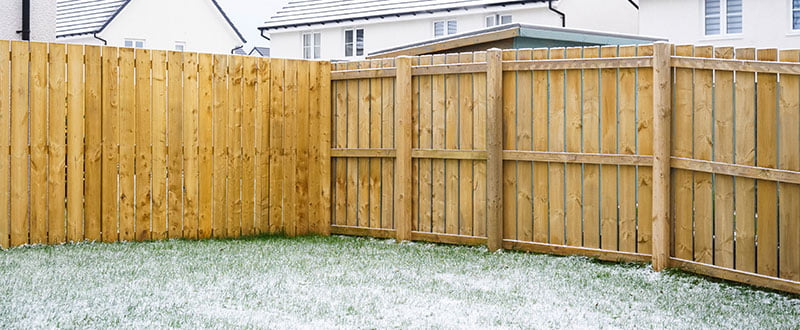




Consider what kind of fence posts will work best
When deciding on a new fence, it’s one of the trickiest choices to make – concrete posts or timber posts. Each comes with its own pros and cons, including cost, aesthetics, ease of installation and, most importantly, strength and durability. If you’re really looking for peace of mind, concrete fence posts could be the way to go. When it comes to reliability and stability, they’re unmatched, often lasting decades and requiring minimal maintenance. Best of all, you don’t need to worry about rot or insect activity.
On the other hand, if you do want to go for the natural look and character of timber fence posts, there are steps you can take to protect them from the wet, windy seasons. Firstly, we recommend choosing one of our pressure-treated posts for their durability against rot and moisture. We also offer a range of post caps – these add style and character, and help to protect the end of the post, which is often especially vulnerable to moisture. In the long run, post caps can help to safeguard your timber posts’ strength and structural integrity in harsher weather. If you’re struggling to decide what kind of post to go for, our blog on timber and concrete fence posts will be a useful read!
Make sure that your fence posts are properly installed
When you’re trying to keep your fence posts secure in rough weather, proper installation makes all the difference, helping to prevent problems like leaning or even collapse. We can’t stress enough how important it is to make sure your fence posts are buried deep enough, providing enough anchorage to endure even heavy winds. Posts that are buried too shallowly can also fall victim to winter’s rainfalls if the soil becomes too waterlogged.
Generally, at least a third of the fence post should be buried. When digging the hole, its diameter should be three times the width of the actual post. If your soil is especially soft or contains a lot of clay, it’s a good idea to dig deeper – it’s also wise to bury fence posts below something called ‘the frost line’ to stop them being pushed out of the ground by frost heave. Spacing also matters, so make sure your posts are set six to eight feet apart and are all level – if the soil is particularly soft, sandy or rich in clay, it’s worth placing your posts a little closer together, around 6 feet apart or less.
You’ll also need to decide between setting your posts with concrete or gravel.
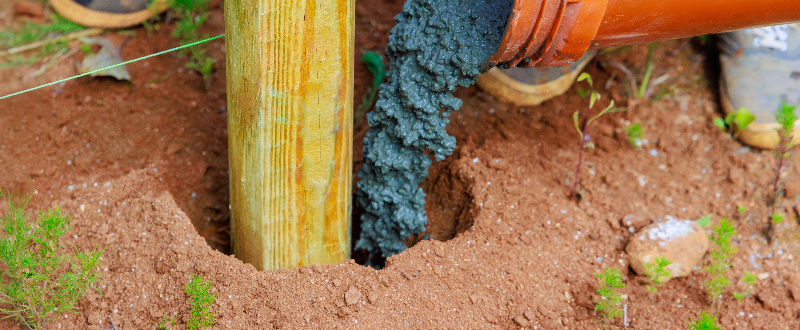
Using concrete, or a cement post mix, takes a little more time and effort, but it does provide extra strength to see your fence through tough weather. Remember – let the concrete fully set before adding the panels! Gravel, however, is quicker and is great for ensuring proper drainage, which is especially important for wooden posts that can easily start to rot. Whichever option you go for, gently sloping the ground away from the post will redirect water and help to keep the fence posts in good shape.
Keep up with proper maintenance
As with any outdoor surface, it’s important to stay on top of maintenance. Regularly giving your fence posts a once-over, especially after particularly rubbish weather, gives you the chance to spot and address small issues before they can snowball into more serious problems. Keep an eye out for signs of damage, rot or insect activity, as well as any loose screws or fixings. You can also take the time to clear away wet debris like leaves from along the fence line to prevent moisture build-up.
For timber posts, even pressure-treated versions, it’s a good idea to apply a garden fence treatment for added protection against the elements. When you choose concrete posts, though, they’ll just need a quick rinse or wash as and when needed. If you do spot any issues like cracks, you can use a concrete patching compound to safeguard them against moisture and prevent premature replacement.
To get a rough idea of panels, posts, and costs, try our handy fence calculator.
Looking for supplies to reinforce or upgrade your fence before winter really hits? We’re here to help! From composite fencing and value fencing panels to those all-important essentials, we’ve got everything you need to transform your outdoor space all under one roof. Interested? Don’t hesitate to reach out on 01772 336 476 or email us at [email protected] today!