



The ground is still full of winter moisture
By this point in the year, the ground has usually spent months taking on rain with very little chance to dry out properly. Even when the surface looks fine, the soil underneath is often still saturated and soft.
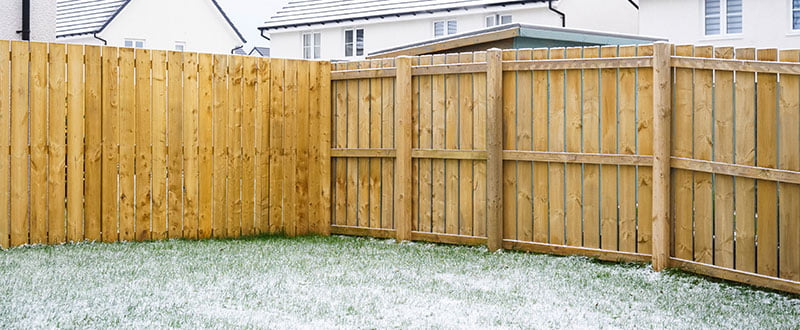
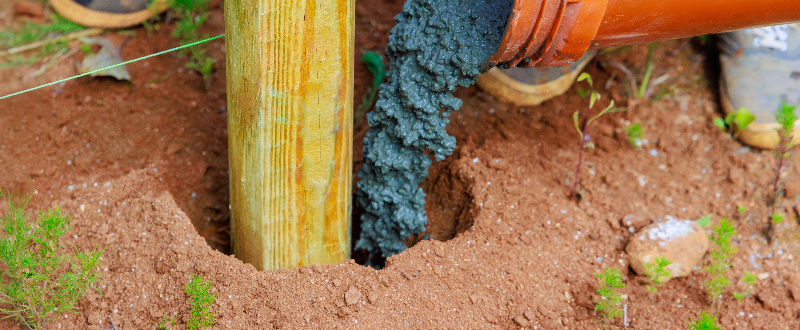
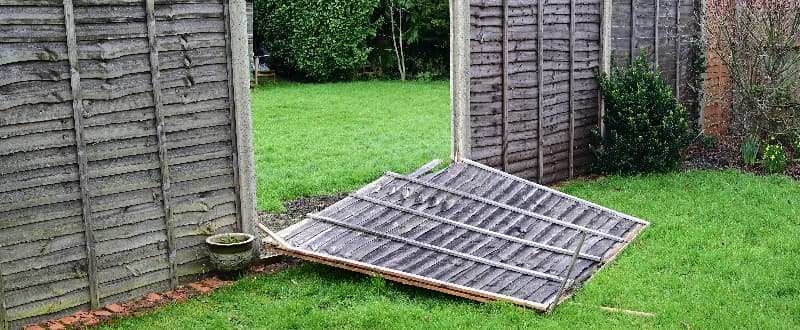
For garden fence panels and decking, this makes a big difference to the installation process. Concrete fence posts installed into wet ground can feel solid on the day they go in, but that firmness can be misleading. As conditions improve and the soil begins to dry, it naturally tightens and shrinks. When that happens, posts or concrete bases set during wetter conditions can sometimes start to loosen or shift slightly. Over time, that movement shows up as leaning posts or fence lines that no longer sit straight.
The same applies to decking frames and other structures that rely on stable ground. If the soil beneath them is still changing, it’s much harder to guarantee that everything stays level once the weather settles.
It’s worth saying that this work can absolutely be done throughout the year. That said, the cooler months don’t automatically mean delay. What matters more is how the ground is behaving at the time and whether conditions are stable enough to support a proper install.
Wet soil doesn’t like being worked
The moisture held in the ground also affects general garden work. Digging, levelling or preparing planting areas while the soil is still wet tends to do more harm than good, not to mention it’s much messier.
When heavy soil is worked in these conditions, it compacts rather than loosens. Instead of breaking down into a workable, crumbly structure, it gets pressed into dense clods that stick together. Those clods don’t easily break down later on, even when the weather improves.
Compacted soil restricts drainage and root growth, which makes it harder for plants to establish and thrive. In many cases, soil that’s been worked too early takes the rest of the growing season to recover, undoing some of the benefit of getting started early.
Don’t paint or stain just yet
Timber fence panels are often pressure-treated and designed for external conditions. However, paint, stain, and sealant still require specific conditions to perform as intended.
In cold, damp weather, these products will struggle to cure. Instead of soaking into the timber and protecting it effectively, they can sit on the surface or react poorly to moisture in the air. Rain, frost or persistent damp can cause finishes to wash out, go patchy, or fail much earlier than expected.
That usually means the job needs redoing once the weather improves, which costs more time and effort than waiting until conditions are consistently mild and dry in the first place. It can also affect the overall finish and appearance, making the job even bigger.
Early growth can still get caught out
A short run of mild weather can make it feel safe to start planting or pruning, especially if you’ve been waiting all winter to get back into the garden. Plants respond quickly, putting out fresh, tender growth as soon as temperatures lift.
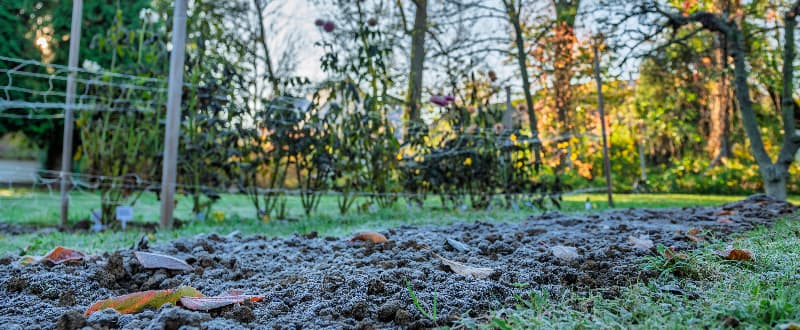
The risk is that cold snaps and frosts are still very much part of the picture. When temperatures drop again, that new growth is far more vulnerable than established plant material. Frost damage can undo weeks of progress overnight, leaving plants stressed and set back rather than off to a strong start.
If you’ve ever got any questions, or you need any advice, our friendly staff will be only too happy to lend a word or two of advice! Feel free to start browsing our extensive selection of garden fence panels and other garden essentials right here on our website, or for any guidance or friendly advice, drop us a line on 01772 336 476. We’re here to help!